
Control de Tiempo para Equipos de Salud
Turnos de 12 horas, descansos obligatorios, rotaciones de guardia, límites de horas extras y reglas sindicales — el control de horas en salud es una bestia de cumplimiento.
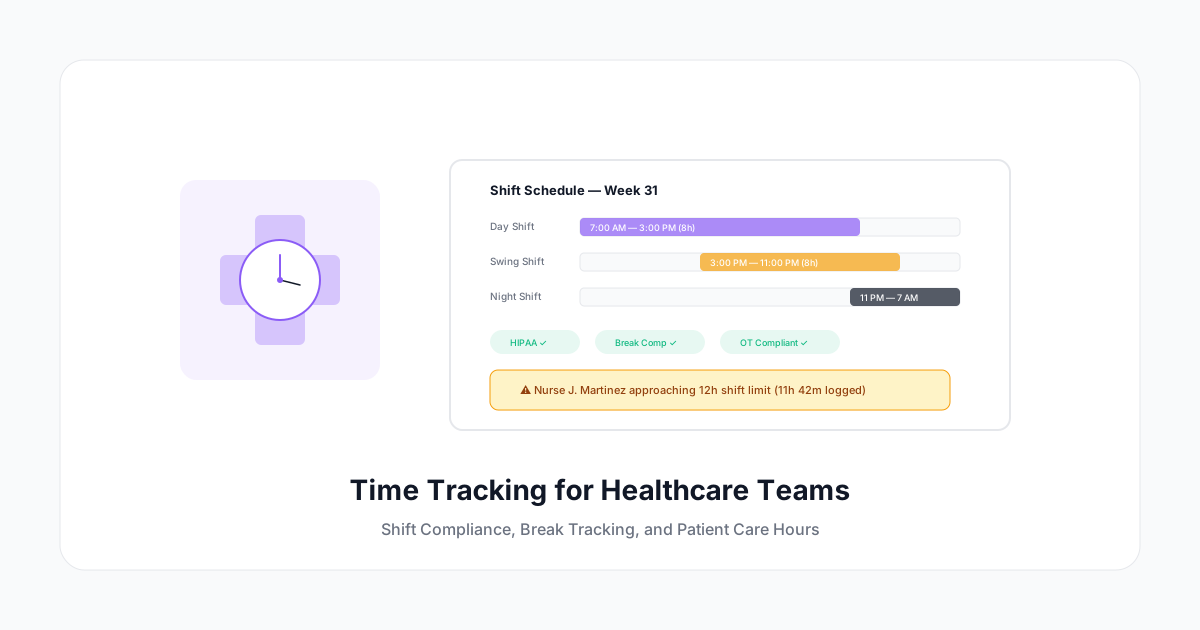
El personal de salud es diferente a cualquier otra industria. Turnos de 12 horas, descansos obligatorios, rotaciones de guardia, límites de horas extras y reglas sindicales — todo superpuesto a responsabilidades de atención al paciente que no se pausan por tareas administrativas.
El registro de tiempo en salud no es opcional. Es un requisito de cumplimiento, un mecanismo de control de costos laborales, y (cuando se hace bien) una herramienta para prevenir el burnout en una industria que enfrenta escasez crónica de personal.
Esto es lo que las organizaciones de salud necesitan saber sobre el registro de tiempo en 2026 — desde cumplimiento de turnos hasta regulaciones de descanso hasta las herramientas que realmente funcionan en un entorno clínico.
Por Qué el Registro de Tiempo en Salud Es Diferente
Complejidad de Turnos
A diferencia de una oficina estándar de 9 a 5, las instalaciones de salud operan con:
- Turnos de 8 horas (rotaciones día/tarde/noche)
- Turnos de 12 horas (cada vez más comunes en enfermería)
- Periodos de guardia (pagados de manera diferente a los turnos activos)
- Turnos divididos (comunes en salud domiciliaria y clínicas)
- Horas extras que se activan después de 8 horas/día Y 40 horas/semana (en muchos estados)
Un sistema de registro de tiempo que solo maneja "entrada / salida" no puede capturar esta complejidad. Necesitas un registro basado en reglas que entienda diferenciales de turno, conversión de guardia y cálculos complejos de horas extras.
El Cumplimiento de Descansos No Es Negociable
Los trabajadores de salud tienen derecho a (y a menudo están legalmente obligados a tomar) descansos para comida y descanso. Pero la realidad en la mayoría de las instalaciones:
- Las enfermeras se saltan descansos porque los pacientes necesitan atención
- El tiempo de descanso se interrumpe por emergencias
- El personal "voluntariamente" trabaja durante los descansos debido a la falta de personal
- Los descansos auto-descontados enmascaran los patrones de trabajo reales
El riesgo legal: Si tu sistema auto-descuenta descansos de 30 minutos pero el personal regularmente trabaja durante ellos, estás creando responsabilidad por salarios y horas. Solo en California, las penalizaciones por descansos perdidos son una hora completa de pago por violación por día.
La solución: Registra los descansos como realmente ocurren, no como están programados. Alerta a los gerentes cuando se pierden descansos. Crea un rastro de auditoría mostrando cumplimiento de descansos — o excepciones documentadas.
Niveles de Pago Basados en Credenciales
Las instalaciones de salud emplean trabajadores en muchos niveles de credenciales:
- RN vs LPN vs CNA
- Especialistas certificados vs médicos generales
- Terapeutas licenciados vs asistentes de terapia
Cada nivel tiene diferentes tarifas de pago, reglas de horas extras y límites de alcance de práctica. Tu sistema de registro de tiempo necesita mantener estas distinciones para una nómina precisa.
Requisitos Fundamentales para el Registro de Tiempo en Salud
1. Seguimiento de Diferenciales de Turno
Los trabajadores de salud a menudo ganan más por turnos nocturnos, vespertinos y de fin de semana:
- Turno diurno: Tarifa base
- Turno vespertino: +10-15%
- Turno nocturno: +15-25%
- Fin de semana: +20-30%
- Festivo: +50-100% (tiempo doble)
Tu sistema de tiempo debe aplicar automáticamente el diferencial correcto basado en cuándo se trabajan las horas — no solo cuántas horas en total.
2. Reglas de Horas Extras (Son Complejas)
Los cálculos de horas extras en salud varían por estado, tipo de instalación y clasificación del empleado:
- Federal (FLSA): Horas extras después de 40 horas/semana
- California: Horas extras después de 8 horas/día Y 40 horas/semana, tiempo doble después de 12 horas/día
- Regla 8/80 (excepción de salud): Horas extras después de 8 horas/día O 80 horas en un periodo de 14 días
- Restricciones de horas extras obligatorias: Muchos estados ahora limitan o prohíben horas extras obligatorias para enfermeras
La elección 8/80 es específica de salud y permite a las instalaciones usar un periodo de trabajo de 14 días en lugar de la semana estándar de 7 días. Si tu software de registro de tiempo no soporta esto, estás pagando de más o incumpliendo.
3. Gestión del Tiempo de Guardia
La guardia crea un desafío de facturación:
- Guardia restringida (debe permanecer en las instalaciones): Generalmente se paga como horas trabajadas
- Guardia no restringida (puede ir a casa, debe responder): Usualmente se paga a una tarifa menor
- Tiempo de llamada (realmente convocado): Se paga a tarifa regular u horas extras de puerta a puerta
Registra cada tipo por separado. La distinción entre guardia restringida y no restringida ha sido litigada extensamente — tus registros de tiempo son tu defensa.
4. Dotación de Personal Basada en Censo de Pacientes
Muchas instalaciones vinculan los niveles de personal al censo de pacientes. Los datos de registro de tiempo te ayudan a:
- Correlacionar horas de personal con resultados de pacientes
- Probar que las proporciones de personal cumplen requisitos regulatorios
- Justificar solicitudes de presupuesto de personal con datos históricos
- Identificar periodos pico que necesitan cobertura adicional
Implementación para Diferentes Entornos de Salud
Hospitales y Grandes Instalaciones
Método de registro: Relojes de tiempo basados en credencial en entradas de departamento, con respaldo móvil para personal flotante
Desafíos clave:
- El personal flota entre departamentos (registra qué unidad, qué centro de costos)
- Los traspasos de turno se superponen (no cuentes doble)
- Las enfermeras encargadas pueden necesitar capacidad de anulación para cambios de horario
- El personal PRN (según necesidad) tiene horarios irregulares
Funciones requeridas:
- Asignación de costos a nivel de departamento
- Seguimiento de personal flotante entre unidades
- Integración con sistema de programación (Kronos, API Healthcare, etc.)
- Alertas de horas extras en tiempo real para enfermeras encargadas
Clínicas e Instalaciones Ambulatorias
Método de registro: Entrada/salida simple vía tablet montada en pared o app móvil
Desafíos clave:
- Tiempo clínico y administrativo mezclado
- Ausencias de pacientes creando "tiempo muerto" que aún se paga
- Métricas de productividad del proveedor (pacientes vistos por hora)
- Tiempo de documentación que se extiende más allá del horario clínico
Funciones requeridas:
- Códigos de actividad (atención al paciente vs administración vs documentación)
- Seguimiento de productividad del proveedor
- App móvil simple para personal en movimiento
- Integración con sistemas EHR/PM
Salud Domiciliaria y Servicios de Campo
Método de registro: App móvil con verificación GPS
Desafíos clave:
- Tiempo de viaje entre pacientes (facturable vs no facturable)
- Verificación de duración de visita (para facturación de seguros)
- Registro de kilometraje junto con el tiempo
- Áreas remotas sin servicio celular
Funciones requeridas:
- Registro basado en GPS en ubicaciones de pacientes
- Seguimiento de tiempo de viaje entre visitas
- Modo sin conexión para zonas sin cobertura
- Verificación de visitas para cumplimiento de seguros/Medicare
Marcos de Cumplimiento Que Afectan el Registro de Tiempo
Requisitos de Joint Commission
Joint Commission revisa la adecuación del personal. Los datos de registro de tiempo demuestran:
- Horas realmente trabajadas por unidad
- Proporciones personal-paciente a lo largo del tiempo
- Patrones de horas extras indicando falta de personal
- Verificación de credenciales (persona correcta, rol correcto)
Condiciones de Participación de CMS
El reembolso de Medicare/Medicaid requiere documentación de:
- Servicios prestados (códigos de facturación basados en tiempo)
- Calificaciones del personal para servicios facturados
- Niveles de personal adecuados
- Requisitos de supervisión cumplidos
Leyes Estatales de Dotación de Enfermería
A partir de 2026, múltiples estados exigen proporciones mínimas enfermera-paciente. El registro de tiempo proporciona los datos para demostrar cumplimiento durante inspecciones y auditorías.
Previniendo el Burnout a Través de Datos de Tiempo
El burnout en salud está en niveles de crisis. Los datos de registro de tiempo — usados correctamente — pueden ser un sistema de alerta temprana:
Señales de Alerta en los Datos
- Turnos largos consecutivos: Trabajar 12+ horas por varios días seguidos
- Patrón de descansos perdidos: Saltar periodos de comida regularmente
- Horas extras en tendencia ascendente: Incremento de OT sugiere falta de personal, no entusiasmo
- Frecuencia de convocatoria: Ser llamado en días libres erosiona el tiempo de recuperación
Acciones Protectoras
- Establece alertas automatizadas cuando cualquier individuo exceda umbrales seguros de horas
- Registra periodos de descanso obligatorio entre turnos (11 horas en muchas jurisdicciones)
- Identifica departamentos donde los descansos perdidos son crónicos
- Usa patrones históricos para predecir brechas de personal antes de que creen horas extras
Eligiendo Software de Registro de Tiempo para Salud
Tu sistema de registro de tiempo para salud necesita:
| Función | Por Qué |
|---|---|
| Reglas complejas de horas extras | 8/80, diario + semanal, específico por estado |
| Auto-cálculo de diferencial de turno | Tarifas vespertinas/nocturnas/fin de semana/festivas |
| Registro de descansos (real, no auto-descontado) | Cumplimiento + protección de responsabilidad |
| Asignación de costos por departamento/unidad | Pool flotante, personal transferido |
| Categorización de tiempo de guardia | Restringida vs no restringida vs convocatoria |
| Acceso basado en credenciales | Diferentes roles, diferentes reglas de pago |
| Integración con programación | Importar horarios, señalar excepciones |
| Almacenamiento de datos compatible con HIPAA | Manejo de datos adyacentes al paciente |
| App móvil con GPS | Salud domiciliaria, personal itinerante |
| Rastro de auditoría | Cada edición registrada, historial inmutable |
Para Empezar
-
Audita tu proceso actual. ¿Dónde son inexactas las hojas de tiempo? ¿Dónde pasan desapercibidas las violaciones de descanso? ¿Dónde se hacen manualmente los cálculos de horas extras?
-
Mapea tus reglas de turno. Documenta cada diferencial de turno, regla de horas extras y requisito de descanso que aplique a tu instalación.
-
Elige un sistema que maneje la complejidad de salud. Los registradores de tiempo de propósito general a menudo no pueden manejar diferenciales de turno, reglas de guardia y cumplimiento de descansos simultáneamente.
-
Capacita por departamento. Diferentes unidades tienen diferentes flujos de trabajo. Capacita a enfermeras encargadas y gerentes de departamento como administradores del sistema.
-
Monitorea el cumplimiento semanalmente. No esperes a una auditoría para descubrir violaciones de descanso o errores en cálculos de horas extras.
A Human Time soporta equipos de salud con reglas de turno configurables, registro de cumplimiento de descansos y alertas de horas extras que funcionan con horarios complejos. Ya sea que manejes un hospital de 500 camas o una clínica de 10 proveedores, el registro de tiempo preciso protege a tu personal y a tu organización.
El registro de tiempo en salud no es burocracia — es seguridad del paciente, bienestar del personal y sustentabilidad financiera todo envuelto en un solo sistema. Hazlo bien y todos se benefician.