
Controle de Horas para Escritórios de Advocacia
Escritórios de advocacia perdem 12-17% do tempo faturável entre fazer o trabalho e receber. Veja como o controle de horas legal moderno recupera essa receita.
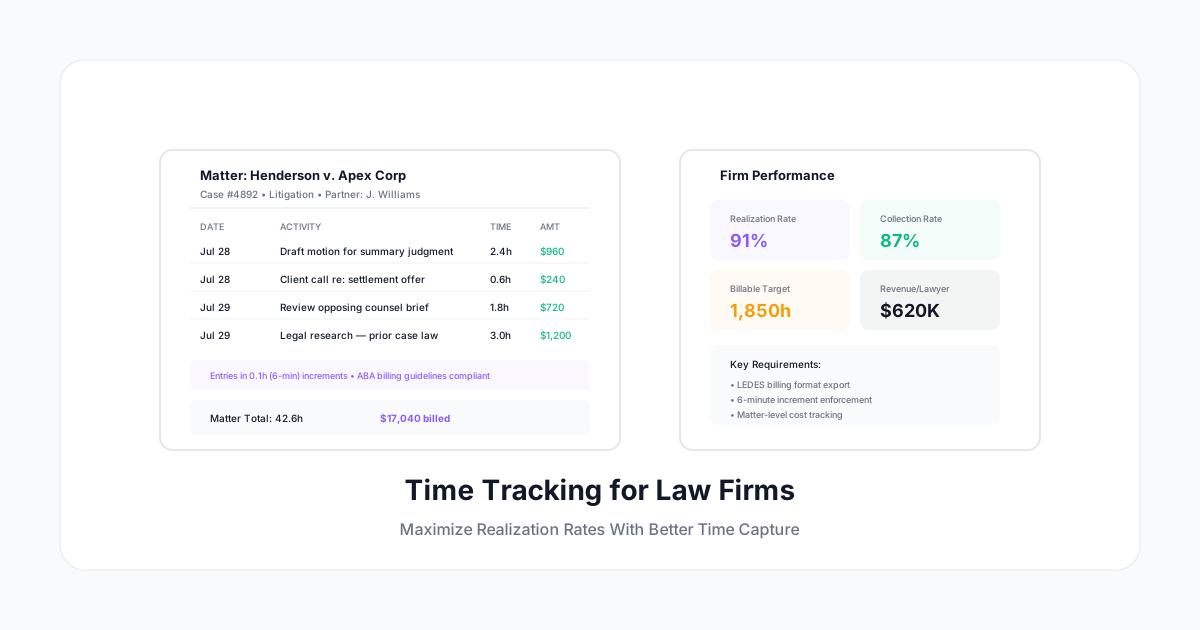
Escritórios de advocacia cobram por hora há mais de um século. Você pensaria que já teriam resolvido o controle de horas. Não resolveram.
A taxa de realização média de um escritório de advocacia — o percentual do tempo trabalhado que realmente é faturado e cobrado — é de 83-88%. Isso significa que 12-17% de cada hora trabalhada evapora em algum lugar entre "fazer o trabalho" e "receber o cheque." Para um escritório com R$25 milhões em receita, são R$3-4,25 milhões deixados na mesa anualmente.
O culpado não é preguiça no registro de horas (embora isso não ajude). É o atrito fundamental do faturamento em incrementos de seis minutos em um mundo de interrupção constante, troca de contexto e comunicação com clientes que "parece pequena demais para cobrar."
Veja como escritórios de advocacia modernos estão resolvendo o problema de registro de horas — e recuperando essa receita perdida.
O Problema do Controle de Horas Jurídico
A Prisão dos Seis Minutos
O faturamento jurídico opera em incrementos de seis minutos (0,1 hora). Cada ligação, cada email, cada pesquisa deveria ser capturada nesses pequenos blocos.
A realidade:
- Advogado recebe uma ligação → responde a pergunta → desliga → ia registrar → recebe outra ligação
- Advogado gasta 4 minutos revisando email da parte contrária → "Foi curto demais para cobrar"
- Advogado faz 20 minutos de pesquisa → perde a noção se era para o Cliente A ou Cliente B
Pesquisas do setor mostram que advogados falham em capturar 30-40% de suas atividades faturáveis. A maior parte do que se perde é trabalho de incremento pequeno — as ligações, emails e revisões rápidas que acontecem dezenas de vezes por dia.
O Problema da Entrada Contemporânea
Diretrizes éticas da advocacia recomendam registro de tempo contemporâneo (registrar conforme acontece). Mas na prática:
- 50% dos advogados registram no mesmo dia
- 30% registram no fim da semana
- 20% reconstroem de memória no fim do mês
Precisão degrada com o atraso. Um advogado registrando uma ligação de 12 minutos duas semanas depois pode lembrar da ligação mas esquecer os 8 minutos de pesquisa de follow-up que deveriam ter sido faturados separadamente.
O Problema dos Write-Downs
Mesmo quando o tempo É capturado, frequentemente é reduzido antes de chegar ao cliente:
- Revisão de sócios: "Isso demorou demais — reduza para 2 horas"
- Edição pré-fatura: Reduzir entradas para parecerem "razoáveis" ao cliente
- Pushback do cliente: Questionar entradas específicas depois do fato
Alguns write-downs são legítimos (tempo de aprendizado de um associado de primeiro ano, ineficiência). Mas muitos representam medo de pushback do cliente — que o faturamento transparente e detalhado na verdade previne.
O Que o Controle de Horas Jurídico Moderno Precisa
Requisito 1: Captura Sem Atrito
A ferramenta deve ser mais rápida do que NÃO registrar. Se inserir uma entrada de tempo exige mais esforço que a tarefa em si (para tarefas pequenas), advogados não vão fazer. Requisitos:
- Timer de um clique de qualquer lugar (desktop, celular, navegador)
- Busca de processos que encontra clientes em 2 teclas (não rolando 500 processos)
- Atalhos de código de atividade (P para pesquisa, T para telefone, R para redação)
- Entrada por voz ("3 horas processo Henderson, redigi moção de agravo")
- Captura automática do calendário (reuniões viram automaticamente entradas de tempo)
Requisito 2: Imposição de Incrementos de Seis Minutos
O sistema deve:
- Arredondar automaticamente para o 0,1 hora mais próximo (com base na política do escritório)
- Suportar incrementos mínimos de faturamento (muitos escritórios cobram mínimo 0,2 para qualquer atividade)
- Mostrar total acumulado em tempo real conforme o timer conta
- Permitir split quando trabalho cruza processos
Requisito 3: Formato LEDES de Faturamento
Clientes corporativos cada vez mais exigem faturas no formato LEDES (Legal Electronic Data Exchange Standard). Seu sistema de tempo deve:
- Suportar códigos de tarefa LEDES (contencioso, consultivo, etc.)
- Exportar em formato LEDES
- Manter códigos de atividade UTBMS
- Lidar com requisitos de envio de e-billing
Requisito 4: Conformidade com Barreiras Éticas
Alguns processos têm barreiras de informação (chinese walls). Seu sistema deve:
- Restringir visibilidade de entradas de tempo a profissionais autorizados
- Prevenir divulgação acidental de nomes de processos
- Suportar triagem de conflitos de interesse
- Manter trilha de auditoria de acesso
Requisito 5: Descrições Narrativas
O faturamento jurídico requer descrições narrativas detalhadas explicando o que foi feito:
- "Revisão e alteração de petição inicial; conferência telefônica com parte contrária sobre cronograma; pesquisa jurídica sobre requisitos de prova para dano moral"
- Não: "Trabalhei no caso Henderson"
Seu sistema deve suportar templates, auto-complete e entrada em linguagem natural para tornar a escrita narrativa mais rápida.
Métricas Que Importam para Escritórios de Advocacia
Taxa de Realização
Fórmula: Honorários realmente faturados ÷ Valor de todo o tempo registrado às taxas padrão
Esta é a métrica mestre. Tudo mais flui dela.
Meta: 90-95% para escritórios bem gerenciados. Abaixo de 85% indica problemas sistêmicos (write-downs excessivos, tempo não capturado ou problemas de taxa).
Como melhorar:
- Capture mais tempo (aborda o numerador aumentando o tempo total disponível para faturar)
- Reduza write-downs (aborda a lacuna entre registrado e faturado)
- Melhores narrativas (clientes questionam entradas vagas, não detalhadas)
Taxa de Recebimento
Fórmula: Valor recebido ÷ Honorários faturados
Mesmo após faturar, escritórios perdem receita por:
- Inadimplência de clientes (5-15% dos faturamentos)
- Ajustes pós-fatura (2-5%)
- Recebíveis envelhecidos que se tornam incobráveis
Meta: 90-95%. Abaixo de 85% precisa de revisão de gestão de clientes e práticas de faturamento.
Metas de Horas Faturáveis
Metas típicas por cargo:
- Associados (1º-3º ano): 1.800-2.000 horas/ano
- Associados seniores: 1.850-2.100 horas/ano
- Of counsel: 1.400-1.700 horas/ano
- Sócios: 1.200-1.600 horas/ano (mais responsabilidades não faturáveis)
Acompanhamento mensal é essencial. Se um associado sênior está com 600 horas em junho (vs meta de 900), há um problema de carga de trabalho para resolver AGORA — não em dezembro.
Receita por Advogado (RPA)
Fórmula: Receita total do escritório ÷ Número de profissionais que faturam
O benchmark: R$1,5-2,5M para escritórios de médio porte, R$4M+ para escritórios grandes, R$5M+ para escritórios de elite.
RPA combina taxa, utilização, realização e recebimento em um único número. Se RPA está caindo, investigue qual componente está deslizando.
Alavancagem
Fórmula: Associados ÷ Sócios
Maior alavancagem (mais associados por sócio) geralmente significa maior lucro por sócio — mas só se o tempo dos associados é bem gerenciado e capturado.
Dados de controle de horas mostram se associados estão efetivamente utilizados ou ociosos.
Melhores Práticas de Implementação
Para Escritórios Solo e Pequenos (1-10 Advogados)
Prioridade: Capturar tudo facilmente. Você provavelmente usa software desktop e registra tempo depois do fato.
Ganhos rápidos:
- Mude para timers em tempo real (adicione um widget de timer no desktop/celular)
- Integre calendário (toda reunião = uma sugestão de entrada de tempo)
- Estabeleça um hábito diário de 5 minutos "fechar o dia" (revisar e completar entradas)
- Use entrada por voz entre tarefas
Necessidades da ferramenta: App mobile simples, sync de calendário, timers de um clique, exportação LEDES, relatórios básicos.
Para Escritórios de Médio Porte (10-100 Advogados)
Prioridade: Captura consistente entre todos os profissionais, mais visibilidade gerencial.
Ganhos rápidos:
- Padrão mínimo de entrada para todo o escritório (política de registro contemporâneo)
- Revisão mensal de realização por sócio
- Processo de revisão pré-fatura com dados (não apenas feeling)
- Rastreamento de orçamento por processo para engajamentos fixos e com teto
Necessidades da ferramenta: Multi-usuário com acesso baseado em funções, orçamentos por processo, ferramentas de pré-fatura, relatórios por departamento, integração com gestão de prática.
Para Escritórios Grandes (100+ Advogados)
Prioridade: Conformidade, analytics e recuperação de receita em escala.
Ganhos rápidos:
- Entrada de tempo assistida por IA (sugerir entradas com base em email/calendário/atividade de documentos)
- Analytics preditivo (quais processos estão tendendo a estourar orçamento?)
- Verificações automatizadas de conformidade (entradas atendem requisitos LEDES antes do envio)
- Dashboards em tempo real para líderes de prática
Necessidades da ferramenta: Enterprise com SSO, analytics avançado, recursos de IA, suporte multi-escritório, integração com DMS/faturamento/contabilidade.
Recuperando Receita Perdida
Estratégia 1: Imposição de Entrada no Mesmo Dia
Escritórios que impõem entrada no mesmo dia capturam 15-20% mais tempo faturável do que aqueles que permitem entrada semanal. Implementação:
- Lembrete de fim de dia (automatizado, 17h horário local)
- Dashboard mostrando "entradas hoje" vs média
- Gamificação (ranking semanal de % de entrada pontual)
- Acompanhamento da gestão para quem atrasa consistentemente
Estratégia 2: Reconstrução de Tempo Assistida por IA
Ferramentas modernas podem analisar sua atividade digital para sugerir entradas de tempo:
- Email enviado para cliente → "Você gastou 12 minutos em emails para Henderson. Registrar?"
- Documento aberto no DMS → "Você trabalhou na petição Johnson por 45 minutos"
- Reunião no calendário → "Reunião de 90 minutos de preparação para depoimento — qual processo?"
Isso não substitui o julgamento do advogado — joga memória e captura o que de outra forma seria perdido.
Estratégia 3: Templates de Narrativa
Descrições narrativas pré-construídas para atividades comuns:
- "Revisão e análise de [tipo de documento] de [fonte]; preparação de memorando resumindo principais conclusões e implicações para [processo]"
- Advogado personaliza (30 segundos) vs escreve do zero (3 minutos)
Tempo economizado em escrita narrativa = mais entradas de tempo completadas = mais receita capturada.
Estratégia 4: Análise Pré-Fatura
Antes de enviar faturas, analise:
- Existem entradas abaixo do incremento mínimo? (Combine ou arredonde para cima)
- As narrativas são específicas o suficiente para sobreviver ao escrutínio do cliente?
- Existem atividades não faturadas no calendário que não foram registradas?
- O total parece "razoável" para o trabalho descrito? (Se sim, não faça write-down)
Pré-faturamento orientado por dados reduz write-downs arbitrários.
A Dimensão Ética
Controle de horas em escritórios de advocacia tem implicações éticas:
- Dever de competência: Faturamento preciso requer registros precisos
- Dever de lealdade: Entradas infladas ou fictícias são fraude
- Razoabilidade: Honorários devem ser razoáveis para o trabalho realizado
- Registros contemporâneos: Melhor prática (exigido em algumas jurisdições)
Bom controle de horas na verdade apoia faturamento ético — fornece evidência de que as horas foram realmente trabalhadas, cria trilha de auditoria e torna disputas de faturamento resolúveis por dados em vez de argumento.
Conclusão
Escritórios de advocacia não têm um problema de faturamento — têm um problema de captura. O trabalho é feito. Simplesmente não é registrado a tempo.
Controle de horas moderno — baixo atrito, mobile, assistido por IA, em tempo real — recupera 10-20% mais tempo faturável para a maioria dos escritórios. Em uma base de receita de R$25M, são R$2,5-5M em receita recuperada anualmente.
O A Human Time suporta registro de horas jurídico com faturamento em incrementos de seis minutos, exportação LEDES, rastreamento por processo, templates de narrativa e timers em tempo real que tornam a entrada contemporânea o caminho de menor resistência. Porque cada minuto não faturado é receita que você ganhou mas nunca vai cobrar.
As horas já estão sendo trabalhadas. Comece a capturar todas.